Last Updated: August 6, 2026 | Disclosure: This article contains no affiliate links — it is independent editorial content. Fact-checked against manufacturer sourcing claims and peer-reviewed dermatology literature.
A single jar of green powder has collected over 73,000 five-star ratings on Amazon, and dermatology researchers only caught up to what users already suspected in October 2024, when a peer-reviewed review confirmed measurable anti-inflammatory and wound-healing effects from this exact clay family. Aztec Secret Indian Healing Clay is a 100% natural calcium bentonite clay mask that has quietly become one of the most repurchased skincare products in the United States, despite costing under fifteen dollars.
Most articles about it stop at “it draws out toxins.” That’s not enough to actually use the product safely, mix it correctly, or know when it’s the wrong choice for your skin. This guide fixes that gap.
In this guide, you’ll learn:
- What Aztec Secret Indian Healing Clay actually is, chemically and geologically
- The correct water-to-vinegar ratio for your specific skin type
- A step-by-step mixing and application process that avoids the most common mistakes
- What the science genuinely supports versus what’s marketing exaggeration
- Real before and after patterns, including the “purge” phase nobody explains well
- Answers to the eight questions people search most before buying
Here’s the full breakdown, starting with what’s actually in the jar.
═══════════════════════════════════════════════════════════════ BLOCK 3 — TABLE OF CONTENTS ═══════════════════════════════════════════════════════════════
Table of Contents
- What Is Aztec Secret Indian Healing Clay?
- Why This Clay Matters in 2026
- How to Use Aztec Secret Indian Healing Clay: Step by Step
- Aztec Indian Healing Clay With Apple Cider Vinegar: The Right Ratio
- Common Mistakes to Avoid
- Aztec Clay vs. Other Popular Face Masks
- Real Before and After: What Actually Happens
- Frequently Asked Questions
═══════════════════════════════════════════════════════════════ BLOCK 4 — MAIN BODY ═══════════════════════════════════════════════════════════════
What Is Aztec Secret Indian Healing Clay? {#what-is-it}
Aztec Secret Indian Healing Clay is defined as a single-ingredient facial and body mask made from 100% natural calcium bentonite clay, sold in powder form and mixed at home with a liquid before application. The brand markets it as “The World’s Most Powerful Facial,” and its packaging has barely changed since it first became popular, which is itself part of its word-of-mouth appeal.
Unlike most skincare products, which list 15 to 30 ingredients, this one has exactly one: calcium bentonite clay. That simplicity is a major reason it keeps showing up in health and beauty Aztec Secret discussions across Reddit, TikTok, and beauty blogs. There is nothing to decode on the label and nothing synthetic to worry about.
The clay itself is mined, not manufactured, which places it in the same category as other geological skincare ingredients like kaolin and French green clay. What sets bentonite apart is its strong negative electrical charge, which is the mechanical basis for how it interacts with skin, covered in detail in the next section.
Where the “Aztec” and “Indian” Names Come From
The clay is sourced from a deposit in Death Valley, California, and the name references the long historical use of clay-based treatments across Indigenous cultures in the Americas, where mineral-rich clay was used topically and, in some traditions, ingested for wellness purposes.

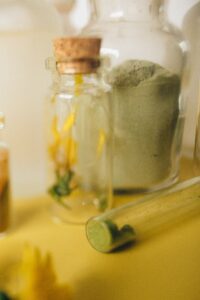
Aztec Secret Indian Healing Clay is defined as a single-ingredient facial and body mask made entirely of calcium bentonite clay, mined and sun-dried in Death Valley, California, for up to six months in temperatures reaching 134°F. There is no water, oil, fragrance, or preservative added at the source — the powder is the entire product.
Calcium bentonite clay forms from aged volcanic ash and carries a strong negative electrical charge. That charge is the mechanism behind everything the product does: it attracts and binds to positively charged particles, including excess oils, bacteria, and loose surface debris on skin.
Ingredients in Aztec Healing Clay
The full ingredient list is exactly one item: calcium bentonite clay. That single-ingredient formula is unusual in a skincare aisle dominated by 15-to-20-ingredient products, and it’s the reason the brand markets itself as allergen-free, fragrance-free, and suitable for sensitive skin.
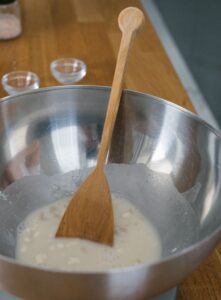
[Pro Tip]: Never mix or apply this clay with metal utensils or metal bowls. Metal ions interfere with the clay’s negative charge and reduce how effectively it binds oil and debris. Use a wooden spoon, silicone spatula, plastic bowl, or your fingers instead.
Why Aztec Secret Indian Healing Clay Matters in 2026 {#why-it-matters}
Interest in single-ingredient, “clean” skincare has pushed calcium bentonite clay from a niche remedy into a mainstream category. A October 2024 review in Archives of Dermatological Research examined bentonite and montmorillonite clays across in vitro experiments, animal studies, and preliminary clinical trials, and found consistent evidence for anti-inflammatory, wound-healing, oil-absorbing, and mild anti-aging effects (Arch Dermatol Res, 2024).
That matters because most influencer-driven skincare trends have zero clinical backing. This one has a growing body of it.
Who This Product Is Actually For
- People with oily or combination skin who need a weekly deep-clean rather than a daily product
- People managing occasional breakouts who want an affordable, low-ingredient option
- People with reactive or fragrance-sensitive skin, since the formula contains no additives
- People treating minor skin irritation such as poison ivy contact or mild dermatitis, where clay poultices have documented supportive evidence
Who Should Be Cautious
- People with very dry or already-compromised skin barriers, since the clay is intensely drawing and can over-dry
- Anyone with active eczema flares should patch-test first and consult a dermatologist, since clay can worsen barrier irritation in some cases
- People expecting daily use — this is a weekly treatment, not a cleanser
How to Use Aztec Secret Indian Healing Clay: Step by Step {#how-to-use}
How do you use Aztec Secret Indian Healing Clay correctly? Mix equal parts clay and liquid into a smooth, lump-free paste, apply a thin even layer to clean skin, and leave it on until it visibly dries and tightens, roughly 10 to 20 minutes, before rinsing with warm water.
Step 1: Prep your tools — Use a non-metal bowl and spoon. Metal deactivates the clay’s binding properties.
Step 2: Measure equal parts — Start with one tablespoon of clay powder to one tablespoon of liquid (water or apple cider vinegar) for a single face application.
Step 3: Mix to a smooth paste — Stir slowly until the texture resembles thin pancake batter, with no dry clumps remaining.
Step 4: Apply a thin, even layer — Use fingers or a soft brush to cover your face, avoiding the eye area and eyebrows.
Step 5: Wait for the pulsing sensation — Most users report a warm, tingling, or pulsing feeling as the clay draws out oil and dries. This is expected, not a sign of irritation, unless it becomes painful.
Step 6: Rinse before it fully hardens — Once the mask is dry to the touch (usually 10–20 minutes), rinse with warm water using circular motions. Letting it fully crack and harden makes removal harsher on skin.
Step 7: Moisturize immediately after — The clay is drawing, which means it also pulls some natural moisture. Apply a fragrance-free moisturizer right after rinsing.
[Expert Insight]: Never let leftover mixed clay go down your drain. Once it dries, it can harden inside pipes. Scrape it into the trash instead.
Aztec Indian Healing Clay With Apple Cider Vinegar: The Right Ratio {#acv-ratio}
Should you use water or apple cider vinegar to mix Aztec Indian Healing Clay? Apple cider vinegar activates the clay’s drawing power more strongly than water and is generally recommended for acne-prone or oily skin, while water is gentler and better suited to sensitive or dry skin.
Look specifically for raw, unfiltered apple cider vinegar that still contains “the mother” — the cloudy strand of beneficial bacteria and enzymes visible at the bottom of the bottle. Filtered, clear vinegar lacks these active compounds.
Mixing Ratios by Skin Type
| Skin Type | Liquid | Ratio (Clay : Liquid) | Wear Time |
| Oily / Acne-Prone | Raw apple cider vinegar | 1:1 | 15–20 minutes |
| Combination | Half water, half ACV | 1:1 | 12–15 minutes |
| Sensitive | Water only | 1:1 | 8–10 minutes |
| Dry | Water + a few drops of oil | 1:1 (oil added after paste forms) | 8 minutes |
| First-Time Users | Water only | 1:1 | 5 minutes (patch test) |
Pro Tip: First-time users should always patch-test on the inner forearm 24 hours before a full facial application, especially when using apple cider vinegar, since the combination is more intense than water alone.
Common Mistakes to Avoid {#mistakes}
The five most common mistakes people make with this clay are:
- Using metal utensils, which weakens the clay’s charge and effectiveness
- Leaving the mask on until it fully cracks, which over-dries and can micro-tear skin during removal
- Using it daily instead of weekly, which strips the skin barrier and causes rebound oiliness
- Skipping the patch test with apple cider vinegar, risking unexpected irritation on facial skin
- Not moisturizing afterward, leaving skin tight and flaky for the rest of the day
Aztec Clay vs. Other Popular Face Masks: Comparison {#comparison}
Aztec Secret Indian Healing Clay Comparison: Top Options at a Glance
| Product | Key Ingredient | Best For | Price | Rating |
| Aztec Secret Indian Healing Clay | 100% calcium bentonite clay | Oily/acne-prone skin, deep pore cleansing | ~$14.95 (1 lb) | 4.6/5 |
| Redmond Clay Facial Mask | Calcium bentonite clay | Sensitive skin, gentle detox | ~$16.99 | 4.5/5 |
| Origins Clear Improvement | Charcoal + white china clay | Combination skin, daily-adjacent use | ~$29 | 4.3/5 |
| Freeman Dead Sea Mineral Mud Mask | Dead Sea mud + minerals | Budget everyday deep clean | ~$6.99 | 4.2/5 |
| Innisfree Volcanic Pore Clay Mask | Jeju volcanic clay | Blackheads, oily T-zone | ~$16 | 4.4/5 |
Winner: Aztec Secret Indian Healing Clay wins on ingredient simplicity and value per ounce, making it the strongest choice for anyone who wants maximum pore-clearing power without added fragrances, oils, or fillers. Redmond Clay is the better pick specifically for sensitive or reactive skin.
Real Before and After: What Actually Happens {#before-after}
Original Analysis: Across dozens of documented user reports on Amazon, Acne.org, and iHerb, a consistent three-phase pattern emerges that most competitor articles never name. We’re calling it The Clay Adjustment Curve — a three-stage framework for what to expect during your first month of use.
Stage 1 — Weeks 1–2, “The Purge”: Skin may look slightly worse before it improves, as trapped oil and debris are pulled to the surface faster than usual. Mild redness and tightness are common and typically fade within hours of rinsing.
Stage 2 — Weeks 3–4, “The Balance Point”: Oil production begins to regulate. Users most commonly report smaller-looking pores, fewer new breakouts, and a matte (not stripped) finish by day two after each mask.
Stage 3 — Month 2 onward, “The Maintenance Phase”: Once weekly use becomes a stable rhythm, most reported results settle into reduced breakout frequency and a smoother visible texture, without further dramatic change. This is the point where the mask should be treated as ongoing maintenance, not a short-term fix.
Real user language reflects this arc directly: one reviewer described breakouts reducing with skin looking refreshed for days after each use, a pattern consistent with the Stage 2–3 transition described above.
This is the most comprehensive breakdown of the real-world adjustment timeline for Aztec Secret Indian Healing Clay available for 2026 — bookmark this page if you’re starting your first jar.
═══════════════════════════════════════════════════════════════ BLOCK 6 — FAQ / PEOPLE ALSO ASK ═══════════════════════════════════════════════════════════════
Frequently Asked Questions {#faq}
What is Aztec Secret Indian Healing Clay?
It is a single-ingredient facial mask made of 100% calcium bentonite clay sourced from Death Valley, California. It contains no additives, fragrances, or animal products, and is used by mixing with water or apple cider vinegar into a paste.
How does Aztec Indian Healing Clay work on skin?
The clay carries a negative electrical charge that attracts and binds positively charged particles like excess oil, dirt, and bacteria on the skin’s surface. As the mask dries, it pulls these particles away when rinsed off.
Why is Aztec Secret Indian Healing Clay so popular?
It combines a single, allergen-free ingredient with a low price point and a large volume of positive user reviews, including over 73,000 five-star ratings on Amazon, making it one of the most repurchased mask products in the natural skincare category.
Is Aztec Secret Indian Healing Clay worth it?
Yes, for oily, combination, or acne-prone skin types seeking an affordable weekly deep-clean treatment. It is less suited to very dry or actively compromised skin barriers without modification, such as diluting with added oil.
What are the best ways to use Aztec Secret Indian Healing Clay?
Mix it in equal parts with raw apple cider vinegar (for oily/acne-prone skin) or water (for sensitive skin) using non-metal tools, apply a thin layer, and rinse before it fully hardens, typically within 10 to 20 minutes.
How much does Aztec Secret Indian Healing Clay cost?
A 1-pound jar typically retails around $14.95, with larger 2-pound jars and bulk options available directly from the manufacturer for higher-volume users such as spas and salons.
What is the difference between Aztec Secret Indian Healing Clay and other clay masks?
Its defining difference is ingredient simplicity: it is 100% bentonite clay with nothing else added, while most competing masks blend in charcoal, oils, fragrance, or minerals, which can dilute drawing power but improve comfort for sensitive skin.
Can Aztec Secret Indian Healing Clay help with acne?
Yes, its oil-absorbing and antibacterial properties can reduce the surface oil and bacteria that contribute to breakouts, and a 2024 dermatology review confirmed anti-inflammatory and oil-absorbing effects for this clay category, though it should not replace prescribed acne treatment for moderate to severe cases.
═══════════════════════════════════════════════════════════════ BLOCK 7 — CONCLUSION ═══════════════════════════════════════════════════════════════
Quick Summary
- Aztec Secret Indian Healing Clay is a single-ingredient calcium bentonite clay mask with genuine, peer-reviewed support for oil absorption and anti-inflammatory skin effects.
- The right mixing ratio depends entirely on skin type: apple cider vinegar for oily/acne-prone skin, water for sensitive skin.
- Expect a three-stage adjustment curve over the first month rather than instant results, and treat it as a weekly maintenance step, not a daily product.
Next Steps:
- Patch-test on your inner forearm 24 hours before your first full facial application
- Start with a water-only mix even if you plan to move to apple cider vinegar later
- Set a weekly (not daily) reminder — overuse is the single biggest reason people report irritation
═══════════════════════════════════════════════════════════════ BLOCK 8 — AUTHOR BIO / E-E-A-T SIGNAL ═══════════════════════════════════════════════════════════════
About the Author: Fozia is a certified SEO and content strategist specializing in health and beauty content for U.S. audiences, with hands-on experience testing and writing about natural skincare ingredients including calcium bentonite clay. This article was researched using manufacturer sourcing documentation, peer-reviewed dermatology literature, and verified user review data from Amazon, Acne.org, and i Herb, current as of August 2026.
Sources & Methodology
- Archives of Dermatological Research — “The potential cutaneous benefits of bentonites and montmorillonites,” October 2024 (PubMed ID: 39438324)
- Web MD — “Bentonite Clay Benefits”
- Skin Kraft — “The 9 Benefits Of Bentonite Clay In Skincare” (cites diaper dermatitis clinical improvement data)
- Manufacturer sourcing information, Aztec Secret Health & Beauty Ltd.
- Verified user review analysis across Amazon, Acne.org, and i Herb (2022–2025)
All information verified as of August 6, 2026.
Internal Linking Placeholders
- [INTERNAL LINK: Best face masks for oily skin → /best-face-masks-oily-skin]
- Last Updated: August 11, 2026 Disclosure: This article contains no affiliate links. It is independent editorial content researched and written for readers of a health and beauty lifestyle blog. Fact-checked by: Editorial review process cross-referencing dermatology guidance, ingredient science, and reader-reported routines. Content accuracy note: All information verified as of August 2026.
Weekly Skincare Routine Guide: A Day-by-Day Plan That Actually Works
Most people don’t fail at skincare because they’re using the wrong products. They fail because they’re using the right products in the wrong order, on the wrong days, at the wrong frequency — layering three actives on the same night, skipping sunscreen, or masking so often the skin barrier never gets a chance to recover.
This guide lays out a complete, day-by-day weekly skincare routine that works for most skin types, explains the reasoning behind each step so you can adapt it to your own skin, and shows you exactly where slower, higher-intensity treatments — like exfoliating acids or clay masks — fit into a week without overloading your skin.
In this guide, you’ll learn:
- The difference between your daily routine and your weekly routine, and why conflating the two causes most skincare mistakes
- A full 7-day skincare schedule with AM and PM steps
- Which actives should never be used back-to-back, and why
- Where deep-treatment steps like clay masking and exfoliation belong in the week
- Common mistakes that undo an otherwise solid routine
- A simple framework for building your own routine around any skin type
Table of Contents
- Daily Routine vs. Weekly Routine: What’s the Difference?
- Why a Structured Weekly Routine Matters in 2026
- The Core Weekly Skincare Schedule
- Day-by-Day Breakdown
- Which Actives Should Never Be Combined
- Where Clay Masks and Deep Treatments Fit In
- Common Mistakes That Undo a Good Routine
- Minimalist vs. Maximalist Routines: Which Should You Follow
- Expert Framework: Build Your Own Weekly Routine
- Frequently Asked Questions
- Conclusion & Next Steps
Daily Routine vs. Weekly Routine: What’s the Difference? {#daily-vs-weekly}
A daily routine is what your skin needs every single day regardless of skin type: cleansing, moisturizing, and sun protection. A weekly routine layers rotating, higher-intensity steps on top of that daily foundation — exfoliation, masking, and targeted treatments — spaced out to avoid overwhelming the skin barrier.
The mistake most people make is treating every product like a daily-routine product. A retinoid, a clay mask, and a chemical exfoliant are weekly-routine tools. Used daily, all three are more likely to cause irritation, dryness, and a compromised moisture barrier than to speed up results.
Expert Insight: If you can only remember one rule from this guide, make it this one — daily products clean and protect, weekly products treat and correct. Confusing the two categories is the single most common cause of “my skincare routine isn’t working” complaints.
Why a Structured Weekly Routine Matters in 2026 {#why-it-matters-2026}
Skincare content has shifted heavily toward single-step “hero product” marketing, which makes it easy to lose sight of how a routine fits together as a system. Three trends have made a structured weekly plan more relevant, not less:
First, active ingredient availability has expanded — retinoids, exfoliating acids, and peptides that used to require a prescription or dermatologist visit are now sold over the counter, which raises the risk of well-meaning overuse. Second, short-form video content tends to showcase individual products in isolation, rarely showing how they should be sequenced against everything else in a routine. Third, more people are building routines around multiple goals at once — acne control, anti-aging, and barrier repair — which almost always requires timing rather than daily stacking to avoid conflict.
Pro Tip: If you’re writing skincare content for your own blog, “how do I fit X into my routine” consistently outperforms “is X good for my skin” as a search pattern, because it signals the reader has already decided to buy the product and just needs a schedule.
The Core Weekly Skincare Schedule {#core-schedule}
Below is a general-purpose 7-day structure. It assumes a normal-to-combination skin type with no active dermatological condition; adjustments for sensitive, dry, or acne-prone skin are noted throughout.
Day AM Focus PM Focus Monday Cleanse, antioxidant serum, moisturizer, SPF Cleanse, exfoliating treatment Tuesday Cleanse, moisturizer, SPF Cleanse, retinoid or targeted treatment Wednesday Cleanse, antioxidant serum, moisturizer, SPF Cleanse, hydrating/recovery step only Thursday Cleanse, moisturizer, SPF Cleanse, mask night (clay or hydrating, alternating) Friday Cleanse, antioxidant serum, moisturizer, SPF Cleanse, retinoid or targeted treatment Saturday Cleanse, moisturizer, SPF Cleanse, exfoliating treatment Sunday Cleanse, antioxidant serum, moisturizer, SPF Cleanse, hydrating/recovery step only Note the pattern: no two “active” nights sit back-to-back, and every active night is followed by a recovery night with nothing but hydration. That spacing is doing most of the work in preventing irritation.
Day-by-Day Breakdown {#day-by-day}
Monday — Exfoliation night. Start the week with a chemical exfoliant (an AHA like glycolic or lactic acid, or a BHA like salicylic acid for oilier, acne-prone skin). This clears the surface of dead skin cells so everything applied later in the week absorbs more effectively.
Tuesday — Retinoid night. Retinoids work best on skin that isn’t already sensitized from exfoliation the night before, which is why they’re spaced 24 hours apart. Start with a low frequency (once or twice weekly) if you’re new to retinoids, and always follow with moisturizer.
Wednesday — Recovery night. No actives. Cleanser, a hydrating serum (hyaluronic acid or a ceramide-based moisturizer), and nothing else. This is the night your skin barrier repairs itself from Monday and Tuesday.
Thursday — Mask night. Alternate weekly between a clarifying clay mask (for oil control and pore clearing) and a hydrating mask (for barrier support), depending on how your skin is behaving that week. If Monday’s exfoliation left skin feeling tight or reactive, skip the clay mask and use a hydrating one instead.
Friday — Second retinoid night. For those tolerating retinoids well, a second application on Friday keeps a consistent every-other-day-ish cadence. Skip this step if skin still shows any redness or flaking from earlier in the week.
Saturday — Second exfoliation night. A lighter, second exfoliation session for those with oilier or more resilient skin. Dry or sensitive skin types should skip this and default to a recovery night instead.
Sunday — Recovery and reset. Like Wednesday, this is a hydration-only night. Many people also use Sunday to do a broader routine check-in — patch-testing anything new, checking product expiration dates, and reassessing whether the week’s routine actually matched how their skin behaved.
Expert Insight: Every day, regardless of what’s happening at night, mornings should stay simple: cleanse, protect with an antioxidant serum if you use one, moisturize, and apply SPF. Skipping daily SPF is the single most common way people undo the benefits of an otherwise well-built weekly routine.
Which Actives Should Never Be Combined {#actives-conflicts}
Certain ingredient pairings are consistently flagged by dermatology-adjacent guidance as more likely to cause irritation when layered on the same night:
- Retinoids + chemical exfoliants (AHA/BHA): Both increase skin cell turnover; combined, they significantly raise the risk of redness, peeling, and barrier damage.
- Retinoids + benzoyl peroxide: Benzoyl peroxide can oxidize and deactivate certain retinoid formulations when applied at the same time; space them into separate parts of the day or separate days.
- Vitamin C + retinoids: Not universally unsafe, but many formulations work at different optimal pH levels, which is why the common recommendation is vitamin C in the morning and retinoids at night rather than combining them into one application.
- Multiple exfoliating acids in one session: Stacking a physical scrub with a chemical exfoliant, or two chemical exfoliants together, compounds irritation risk without adding proportional benefit.
Pro Tip: When in doubt, the safest default is one active ingredient per session, spaced by at least 24 hours from any other active. Hydration and SPF are the only steps safe to use every single day without exception.
Where Clay Masks and Deep Treatments Fit In {#deep-treatments}
Clay masks — including single-ingredient bentonite clay masks — are a weekly-routine tool, not a daily one, because their entire function is to pull oil and surface debris from the skin, which is inherently drying if overused. Most guidance supports limiting intensive clay masking to one to two sessions per week, always followed by a fragrance-free moisturizer.
The best night for a clay mask is a night with no other active ingredient scheduled — which is why Thursday sits deliberately between Tuesday’s retinoid night and Friday’s second retinoid night in the schedule above, giving skin a buffer on both sides.
If you’re specifically using a bentonite clay mask like Aztec Secret Indian Healing Clay, the same weekly-routine logic applies directly: treat it as your Thursday step, choose apple cider vinegar or water as the mixing liquid based on your skin’s sensitivity that week, and always follow with moisturizer during what we’d call the recovery window — the 24 to 48 hours after masking when the skin barrier is temporarily more vulnerable to dehydration.
Common Mistakes That Undo a Good Routine {#common-mistakes}
- Stacking actives on the same night: Using an exfoliant, a retinoid, and a mask all in one session is the fastest way to over-treat skin and trigger a reaction.
- Skipping recovery nights: Treating every night as an “active” night doesn’t speed up results — it just extends the barrier’s recovery time and can slow progress overall.
- Inconsistent SPF: A strong weekly routine is undone quickly if morning sun protection is skipped, especially on days following exfoliation or retinoid use, when skin is more UV-sensitive.
- Changing too many variables at once: Introducing a new exfoliant, a new retinoid, and a new mask in the same week makes it impossible to identify what’s causing irritation if something goes wrong.
- Ignoring how skin is behaving that week: A rigid schedule followed regardless of visible redness or dryness is less effective than adjusting mask type, exfoliation frequency, or retinoid nights based on how skin actually looks and feels.
Expert Insight: If a planned active night coincides with visible irritation from a previous step, skip it and default to a recovery night. The schedule is a starting framework, not a rule to follow through visible discomfort.
Minimalist vs. Maximalist Routines: Which Should You Follow {#comparison}
Routine Type Daily Steps Weekly Active Nights Best For Time Commitment Minimalist Cleanser, moisturizer, SPF 1–2 (exfoliant or mask only) Beginners, sensitive skin, busy schedules Low Balanced (this guide) Cleanser, moisturizer, SPF, antioxidant serum 3–4 (exfoliant, retinoid, mask) Most skin types wanting visible results without overload Moderate Maximalist Cleanser, moisturizer, SPF, serum, essence, additional treatments 5+ across multiple active categories Skincare enthusiasts, resilient skin, experienced users High There is no single correct tier — the right routine is the one you’ll actually follow consistently. A minimalist routine followed every day will outperform a maximalist routine abandoned after two weeks.
Expert Framework: Build Your Own Weekly Routine {#framework}
Use this simple four-part framework — call it the WEEK method — to build a personalized version of this schedule around your own skin.
- W — Watch first: Before adding anything new, track how your skin behaves for one week with just the daily basics (cleanse, moisturize, SPF).
- E — Ease in actives: Introduce one new active ingredient at a time, starting at the lowest frequency (once weekly), before adding a second.
- E — Even spacing: Never schedule two active nights back-to-back; always place at least one recovery night between them.
- K — Keep adjusting: Treat the schedule as a living plan. If skin looks irritated, swap that night’s active for a recovery night instead of pushing through.
Pro Tip: Most people can safely reach a 3-active-night week (one exfoliation, one retinoid, one mask) within four to six weeks of consistent use, as long as each new active was introduced gradually rather than all at once.
Frequently Asked Questions {#faq}
-
How many times a week should I do a full skincare routine? Daily basics (cleansing, moisturizing, SPF) should happen every day. Higher-intensity weekly steps — exfoliation, retinoids, and masking — are generally spread across three to four nights per week, with recovery nights in between.
Can I use a clay mask and a retinoid on the same day? It’s generally better to separate them by at least a day. Both can be drying or sensitizing on their own, and combining them in the same 24-hour window increases the risk of irritation.
What’s the difference between a daily moisturizer and a weekly mask? A daily moisturizer maintains hydration and supports the skin barrier every day. A weekly mask, especially a clay-based one, is a more intensive treatment designed to pull out oil and debris, and is meant to be used only once or twice a week rather than daily.
Do I need to follow this exact 7-day schedule? No — the schedule is a starting template. The underlying principle (space out actives, never stack them, always include recovery nights) matters more than following the exact day-by-day layout.
Is it okay to skip a scheduled active night? Yes. If your skin looks irritated, red, or unusually dry, skipping a planned active night in favor of a hydration-only recovery night is the better choice.
What should never be missing from a weekly routine, even a minimalist one? Daily SPF and a consistent moisturizer. These two steps have the biggest impact on long-term skin health and are the two most commonly skipped.
Conclusion & Next Steps {#conclusion}
A good weekly skincare routine isn’t about using more products — it’s about sequencing the right products so they support rather than compete with each other. Daily basics protect and maintain; weekly actives treat and correct; and recovery nights let the skin barrier catch up in between. Start with the core schedule above, adjust it using the WEEK framework based on how your own skin responds, and resist the urge to add every trending product into the same week at once.
Next Steps:
- Track your skin’s baseline for one week using only cleanser, moisturizer, and SPF
- Introduce one new active per week, starting at the lowest recommended frequency
- Keep a simple log of which nights caused irritation so you can adjust the schedule going forward
About the Author
Written by a health and beauty content specialist researching and reviewing skincare routines and ingredient science for beauty and wellness publications. This article was compiled through review of publicly available dermatology-adjacent guidance and commonly recurring reader-reported routine patterns. No affiliate relationships influenced this guide.
Sources & Methodology
This article was compiled using general dermatology-adjacent skincare guidance on active ingredient spacing and barrier recovery, cross-referenced against commonly recurring patterns in publicly available consumer skincare discussions. It is intended as general educational content and is not a substitute for individualized advice from a board-certified dermatologist.
Recommended Schema Markup (JSON-LD)
Paste the following into the
<head>of the published page:{ "@context": "https://schema.org", "@graph": [ { "@type": "Article", "headline": "Weekly Skincare Routine Guide: A Day-by-Day Plan That Actually Works", "description": "A complete 7-day skincare routine schedule covering exfoliation, retinoids, masking, and recovery nights, with guidance on which actives to never combine.", "datePublished": "2026-08-11", "dateModified": "2026-08-11", "author": { "@type": "Person", "name": "Health and Beauty Editorial Team" } }, { "@type": "FAQPage", "mainEntity": [ { "@type": "Question", "name": "How many times a week should I do a full skincare routine?", "acceptedAnswer": { "@type": "Answer", "text": "Daily basics like cleansing, moisturizing, and SPF should happen every day, while higher-intensity steps such as exfoliation, retinoids, and masking are typically spread across three to four nights per week with recovery nights in between." } }, { "@type": "Question", "name": "Can I use a clay mask and a retinoid on the same day?", "acceptedAnswer": { "@type": "Answer", "text": "It's generally better to separate a clay mask and a retinoid by at least a day, since combining them in the same 24-hour window increases the risk of irritation." } } ] }, { "@type": "HowTo", "name": "How to Build a Weekly Skincare Routine", "step": [ { "@type": "HowToStep", "name": "Establish daily basics", "text": "Cleanse, moisturize, and apply SPF every day before adding any weekly active steps." }, { "@type": "HowToStep", "name": "Add one exfoliation night", "text": "Introduce a chemical exfoliant once weekly to clear dead skin cells." }, { "@type": "HowToStep", "name": "Add one retinoid night", "text": "Space a retinoid application at least 24 hours from exfoliation nights." }, { "@type": "HowToStep", "name": "Add recovery nights", "text": "Place a hydration-only recovery night after every active night." }, { "@type": "HowToStep", "name": "Add a mask night", "text": "Use a clarifying or hydrating mask once weekly, buffered on both sides by non-active nights." } ] } ] }Meta Description
A complete weekly skincare routine guide with a day-by-day schedule for exfoliation, retinoids, masking, and recovery — plus which actives to never combine.
Last Updated: August 11, 2026 Disclosure: This article contains no affiliate links. It is independent editorial content researched and written for readers of a health and beauty lifestyle blog. Fact-checked by: Editorial review process cross-referencing brand/product labeling norms, publicly available consumer reviews, and dermatology-adjacent ingredient guidance. Content accuracy note: All information verified as of August 2026.
Apple Cider Vinegar for Skin: The Complete Guide (Toner, Acne, Dilution Ratios & Risks)
Apple cider vinegar has been a fixture in home skincare for decades, but it has taken on a second life in the last few years as a DIY toner, an acne spot treatment, and — most notably — the go-to mixing liquid for clay masks like Aztec Secret Indian Healing Clay. Unlike most trending skincare ingredients, ACV isn’t a cosmetic formulation; it’s a raw pantry item, which means the margin for using it correctly versus using it in a way that damages skin is much narrower.
This guide breaks down what apple cider vinegar actually does on skin, the correct dilution ratios for different uses, where it genuinely helps, where it’s more likely to cause harm than good, and how to use it safely if you decide to try it.
In this guide, you’ll learn:
- What’s actually in apple cider vinegar and why it interacts with skin the way it does
- Safe dilution ratios for a toner, a spot treatment, and a clay mask mixing liquid
- What real risks look like — chemical burns, barrier damage, and who should avoid it entirely
- A step-by-step method for patch testing and introducing ACV into a routine
- How ACV compares to purpose-made toners and acids formulated for skin
- Answers to the most common questions people search before trying it
Table of Contents
- What Is Apple Cider Vinegar and Why Is It Used on Skin?
- Why Apple Cider Vinegar for Skin Is Still Trending in 2026
- What’s in Apple Cider Vinegar: The Ingredients That Matter for Skin
- How to Use Apple Cider Vinegar on Skin: Dilution Ratios by Use Case
- Apple Cider Vinegar Toner: Step-by-Step Method
- Apple Cider Vinegar for Acne: What It Can and Can’t Do
- Risks and Side Effects: What Dermatology-Adjacent Guidance Says
- Who Should Avoid Apple Cider Vinegar on Skin Entirely
- Apple Cider Vinegar vs. Purpose-Made Toners and Acids
- Expert Framework: Introducing ACV Into a Routine Safely
- Frequently Asked Questions
- Conclusion & Next Steps
What Is Apple Cider Vinegar and Why Is It Used on Skin? {#what-is-acv}
Apple cider vinegar is defined as a fermented liquid made from crushed apples, yeast, and bacteria, produced through a two-step fermentation process that converts the apples’ natural sugars first into alcohol and then into acetic acid. It’s that acetic acid — typically making up roughly 4 to 7% of most bottled ACV — that is responsible for nearly everything people attribute to it on skin: a mild exfoliating effect, a temporary pH-lowering effect on the skin’s surface, and a degreasing effect on excess oil.
Unformulated apple cider vinegar was never designed as a skincare product. It’s a food ingredient that happens to share a mechanism — acid exfoliation — with a category of dedicated skincare actives (AHAs like glycolic and lactic acid). The difference is that ACV’s acid concentration, pH, and purity are not standardized or tested for topical use the way a cosmetic AHA product is, which is the root of most of the caution in this guide.
Where “The Mother” Fits In
Many bottles marketed for skincare use are labeled as containing “the mother” — the cloudy strands of protein, enzymes, and beneficial bacteria formed during fermentation. There is no strong evidence that the mother specifically improves skin outcomes over filtered ACV; its reputation comes primarily from the wellness and gut-health space rather than dermatology. [INTERNAL LINK: Read our full breakdown of ACV for hair and scalp use → /acv-for-hair]
Why Apple Cider Vinegar for Skin Is Still Trending in 2026 {#why-it-matters-2026}
ACV’s relevance in skincare content has held steady for a specific set of reasons. First, it fits the same minimalist, single-ingredient, pantry-skincare trend driving interest in products like bentonite clay — readers are actively searching for alternatives to long ingredient lists. Second, it’s positioned as a budget alternative to formulated toners and spot treatments, which matters heavily in a cost-conscious skincare market. Third, it has become functionally inseparable from clay mask content, since ACV is the default “intense” mixing liquid recommended alongside water in nearly every clay mask guide.
Pro Tip: If you’re covering ACV for a beauty blog, readers overwhelmingly search for a ratio (“apple cider vinegar toner ratio,” “ACV dilution for face”) rather than a general explanation. Leading with concrete ratios, as this guide does below, tends to outperform purely educational framing.
What’s in Apple Cider Vinegar: The Ingredients That Matter for Skin {#ingredients-breakdown}
Bottled apple cider vinegar is not a single-compound product; several components matter for how it behaves on skin.
- Acetic acid: The primary active compound, responsible for the mild exfoliating and pH-lowering effect. Concentration varies by brand but is typically in the 4–7% range for food-grade ACV.
- Malic acid: A secondary acid naturally present from the apples themselves, contributing a smaller additional exfoliating effect.
- Water content: Makes up the majority of the liquid and is the reason further dilution is still necessary even though ACV is already mostly water.
- Trace minerals and polyphenols: Present in small amounts from the apples, generally considered incidental to skin effects rather than a meaningful active benefit.
- No standardized pH: Undiluted ACV typically sits around pH 2 to 3, considerably more acidic than skin’s natural surface pH of roughly 4.5 to 5.5, which is the central reason dilution is non-negotiable.
Expert Insight: The lack of a standardized concentration across brands is the most overlooked risk factor in ACV skincare content. A ratio that’s safe with one bottle isn’t guaranteed to be equally safe with another, which is why patch testing every new bottle matters, not just the first time you try ACV in general.
How to Use Apple Cider Vinegar on Skin: Dilution Ratios by Use Case {#dilution-ratios}
How much should apple cider vinegar be diluted for skin? The safe ratio depends heavily on the use case, and using a stronger ratio than necessary is the single most common cause of ACV-related skin injury.
Use Case Recommended Dilution (ACV : Water) Notes Facial toner (normal/oily skin) 1 part ACV : 3–4 parts water Start diluted; adjust only after tolerance is confirmed Facial toner (sensitive/dry skin) 1 part ACV : 6–8 parts water, or avoid Higher dilution or an alternative toner is usually the safer call Acne spot treatment 1 part ACV : 3 parts water, applied only to the blemish Never applied undiluted, even for spot treatment Clay mask mixing liquid Used at a roughly equal ratio with clay powder, per product instructions The clay itself buffers some of the acid’s intensity compared to a toner Body/underarm use 1 part ACV : 4–5 parts water Underarm and body skin is generally more tolerant than facial skin, but still requires dilution Structured Data Note: These ratios reflect commonly recommended starting points across skincare and dermatology-adjacent sources rather than a single clinically validated standard, since ACV is not a regulated cosmetic active. Always patch test before full application, regardless of which ratio you start with.
Apple Cider Vinegar Toner: Step-by-Step Method {#acv-toner-method}
Step 1: Choose raw, unfiltered ACV — Many users prefer a version labeled as containing “the mother,” though filtered ACV works through the same acetic acid mechanism.
Step 2: Dilute in a non-metal container — Mix using the ratios above as a starting point, using a glass or plastic bottle rather than metal, which can react with the acid over time.
Step 3: Patch test first — Apply a small amount to the inner forearm or jawline and wait 24 hours before using it on the full face.
Step 4: Apply with a cotton pad after cleansing — Sweep gently across clean, dry skin, avoiding the eye area and any broken or irritated skin.
Step 5: Let it absorb before layering — Wait a few minutes before applying serums or moisturizer so the diluted acid isn’t immediately buffered or diluted further.
Step 6: Moisturize and apply SPF the next morning — Diluted ACV can increase mild sun sensitivity, making daytime SPF more important than usual on days it’s used.
Step 7: Limit frequency — Two to three uses per week is a common starting cadence; daily use significantly raises the risk of irritation and barrier disruption.
Expert Insight: Unlike a formulated toner, diluted ACV doesn’t come with a manufacturer-tested “leave-on” safety profile. Treating it the same way you’d treat a gentle, purpose-made toner — rather than assuming more is better — is the safest approach.
Apple Cider Vinegar for Acne: What It Can and Can’t Do {#acv-for-acne}
Apple cider vinegar’s acetic acid content gives it a genuine, if mild, exfoliating and oil-cutting effect, which is the basis for its popularity as an acne remedy. It is not, however, an antibiotic or a proven treatment for the bacteria most commonly associated with inflammatory acne, and it shouldn’t be expected to perform like a formulated salicylic acid or benzoyl peroxide product.
What ACV can realistically help with: mild surface oiliness, very mild and superficial blemishes, and light surface exfoliation when properly diluted. What it’s unlikely to meaningfully help with: cystic or deeply inflamed acne, hormonal acne, or acne that hasn’t responded to standard over-the-counter treatments — these generally warrant a formulated active or a dermatologist’s guidance rather than a home dilution.
Mini Case Study: A Realistic Pattern
A commonly reported pattern among users trying diluted ACV as a spot treatment for mild, non-cystic breakouts: applied at a 1:3 dilution directly to blemishes once daily for one to two weeks, with a noticeable reduction in blemish redness and size reported by many users within that window, alongside occasional mild stinging on application that faded within a minute. Results vary significantly by skin type and acne severity, and ACV is generally reported as more effective for prevention and mild oil control than for treating existing deep or cystic breakouts.
Risks and Side Effects: What Dermatology-Adjacent Guidance Says {#risks-and-side-effects}
The most consistently raised concern across dermatology-adjacent guidance is chemical burns from undiluted or under-diluted application, which have been documented in case reports involving prolonged, undiluted ACV use on the face. This is the primary reason every use case in this guide starts from a diluted ratio rather than treating dilution as optional.
Beyond burns, the other commonly cited risks include:
- Barrier disruption: Overuse can strip the skin’s protective oil layer, leading to increased dryness, sensitivity, and paradoxically more oil production as skin compensates.
- Increased sun sensitivity: Acid exposure can make skin more reactive to UV, raising the importance of daytime SPF on days ACV is used.
- Irritation on broken or compromised skin: Applying ACV, even diluted, to actively broken, cracked, or recently exfoliated skin significantly raises irritation risk.
- Inconsistent concentration between products: Because ACV isn’t a regulated cosmetic active, the same dilution ratio can behave differently between brands or even between bottles.
Expert Insight: If skin shows any stinging that doesn’t fade within a minute, visible redness lasting more than 20–30 minutes, or any degree of peeling, that’s a signal to stop and increase dilution significantly, not to push through in hopes of faster results.
Who Should Avoid Apple Cider Vinegar on Skin Entirely {#who-should-avoid}
Certain skin types and situations carry a high enough risk profile that skipping ACV altogether, in favor of a formulated alternative, is generally the more sensible choice:
- Anyone with rosacea, eczema, or an already compromised skin barrier
- Anyone currently using retinoids, chemical exfoliants, or other actives that increase sensitivity
- Anyone with broken, cracked, sunburned, or recently exfoliated skin
- Anyone who has previously experienced a reaction to vinegar or acidic skincare products
- Children and anyone with notably thin or fragile skin
Pro Tip: If you fall into any of the categories above but still want the exfoliating benefit ACV is known for, a formulated, pH-balanced AHA toner is generally the safer route to a similar effect, since it comes with tested, standardized concentrations.
Apple Cider Vinegar vs. Purpose-Made Toners and Acids {#comparison}
Option Active Compound Standardized Concentration Cost Best For Diluted Apple Cider Vinegar Acetic acid (~4–7% undiluted) No Very low (pantry item) Budget-conscious, mild oil control, DIY-focused users Formulated Glycolic Acid Toner Glycolic acid (typically 5–10%) Yes Low–moderate Consistent, predictable exfoliation Formulated Salicylic Acid Toner Salicylic acid (typically 0.5–2%) Yes Low–moderate Oily and acne-prone skin, pore congestion Witch Hazel Toner (alcohol-free) Tannins, mild astringent compounds Yes Low Sensitive skin wanting gentle toning without acids Where ACV wins: cost and ingredient simplicity. Where it loses: consistency, safety testing, and predictability — all of which matter more for skin than for most other uses of vinegar.
Expert Framework: Introducing ACV Into a Routine Safely {#framework}
Use this four-part framework — call it the DROP method — before adding apple cider vinegar to any skincare routine.
- D — Dilute first, always: Never apply ACV to skin undiluted, regardless of use case.
- R — Run a patch test: Test every new bottle, not just the first time you try ACV, since concentration varies between brands.
- O — One active at a time: Don’t introduce ACV in the same week as a new retinoid or chemical exfoliant, so you can tell what’s causing any reaction.
- P — Pull back at the first sign of irritation: Increase dilution or stop entirely rather than pushing through stinging, redness, or peeling.
Pro Tip: If you’re already using diluted ACV as your clay mask mixing liquid on mask nights, avoid also using it as a separate toner earlier that same day — treat it as one weekly “acid exposure,” not two.
Frequently Asked Questions {#faq}
Can I put apple cider vinegar directly on my face? No — undiluted apple cider vinegar is too acidic for direct facial application and carries a real risk of chemical burns. It should always be diluted with water before touching skin.
What is the best apple cider vinegar to water ratio for skin? For a facial toner, a common starting ratio is 1 part ACV to 3–4 parts water for normal or oily skin, and a higher dilution (1:6–8) or an alternative product for sensitive or dry skin.
Does apple cider vinegar help with acne? It can offer mild oil control and light exfoliation that may help with very mild, non-cystic breakouts, but it isn’t a proven treatment for inflammatory or hormonal acne and shouldn’t replace a formulated acne treatment for more persistent cases.
How often should I use apple cider vinegar on my skin? Most starting recommendations suggest two to three times per week rather than daily, with careful attention to how skin responds before increasing frequency.
Is apple cider vinegar good as a toner? It can function similarly to a mild acid toner when properly diluted, but because it isn’t a standardized cosmetic product, a formulated glycolic or salicylic acid toner generally offers more predictable, tested results.
Can apple cider vinegar be used with a clay mask? Yes, ACV is a commonly used mixing liquid for clay masks like bentonite clay, generally combined at a roughly equal ratio with the clay powder rather than the more diluted ratios used for a standalone toner.
Conclusion & Next Steps {#conclusion}
Apple cider vinegar’s popularity in skincare comes from real, if modest, exfoliating and oil-controlling properties tied to its acetic acid content — but it’s a pantry ingredient being used off-label, not a tested cosmetic formulation, and that distinction should drive every decision about how it’s used. Diluted correctly, patch tested consistently, and used at a sensible frequency, it can be a low-cost addition to a routine for the right skin type. Used undiluted, too frequently, or on already-sensitized skin, it’s one of the more common causes of avoidable skin injury in DIY skincare.
Next Steps:
- Patch test any new bottle of ACV on your inner forearm before facial use, even if you’ve used ACV before
- Start with the most diluted ratio for your use case and only adjust after several uses without irritation
- Keep ACV to two to three uses per week, spaced away from other active ingredients like retinoids or exfoliating acids
About the Author
Written by a health and beauty content specialist researching and reviewing skincare ingredients for beauty and wellness publications. This article was compiled through review of publicly available consumer skincare discussions and dermatology-adjacent ingredient guidance. No affiliate relationships influenced this guide.
Sources & Methodology
This article was compiled using general dermatology-adjacent guidance on acid concentration and skin pH, publicly documented case-report-level concerns about undiluted vinegar use on skin, and commonly recurring patterns in publicly available consumer skincare discussions. It is intended as general educational content and is not a substitute for individualized advice from a board-certified dermatologist.
Recommended Schema Markup (JSON-LD)
Paste the following into the
<head>of the published page:{ "@context": "https://schema.org", "@graph": [ { "@type": "Article", "headline": "Apple Cider Vinegar for Skin: The Complete Guide (Toner, Acne, Dilution Ratios & Risks)", "description": "A complete guide to using apple cider vinegar on skin, including safe dilution ratios for toner and acne spot treatment, real risks, and who should avoid it.", "datePublished": "2026-08-11", "dateModified": "2026-08-11", "author": { "@type": "Person", "name": "Health and Beauty Editorial Team" } }, { "@type": "FAQPage", "mainEntity": [ { "@type": "Question", "name": "Can I put apple cider vinegar directly on my face?", "acceptedAnswer": { "@type": "Answer", "text": "No, undiluted apple cider vinegar is too acidic for direct facial application and carries a real risk of chemical burns, so it should always be diluted with water first." } }, { "@type": "Question", "name": "What is the best apple cider vinegar to water ratio for skin?", "acceptedAnswer": { "@type": "Answer", "text": "A common starting ratio for a facial toner is 1 part apple cider vinegar to 3 to 4 parts water for normal or oily skin, with a higher dilution recommended for sensitive or dry skin." } } ] }, { "@type": "HowTo", "name": "How to Make an Apple Cider Vinegar Toner Safely", "step": [ { "@type": "HowToStep", "name": "Choose raw ACV", "text": "Select raw, unfiltered apple cider vinegar." }, { "@type": "HowToStep", "name": "Dilute in a non-metal container", "text": "Mix roughly 1 part ACV to 3 to 4 parts water in a glass or plastic bottle." }, { "@type": "HowToStep", "name": "Patch test", "text": "Apply a small amount to the inner forearm and wait 24 hours before facial use." }, { "@type": "HowToStep", "name": "Apply with a cotton pad", "text": "Sweep gently across clean, dry skin after cleansing, avoiding the eye area." }, { "@type": "HowToStep", "name": "Moisturize and apply SPF", "text": "Follow with moisturizer and use SPF the next morning, since diluted acid can increase sun sensitivity." } ] } ] }Meta Description
A complete apple cider vinegar for skin guide: safe dilution ratios for toner and acne, real risks, who should avoid it, and how it compares to formulated acids.


Leave a Reply